
If your products reach customers through distributors and retailers, you probably know your primary sales to the rupee and your secondary sales only roughly. A distributor management system, or DMS, closes that gap.
What a DMS does
A DMS is software shared between a company and its distributors. Distributors use it to receive stock, bill retailers, record collections and claim schemes. The company uses it to see what is selling, where and at what price, without waiting for monthly reports.
Most systems cover the same core areas:
- Orders and billing. Distributor orders to the company and retailer orders to the distributor, with GST invoices.
- Stock. What each distributor holds, how old it is, and when to reorder.
- Schemes. Discounts, free goods and target schemes, applied automatically when an order qualifies.
- Field sales. An app for salespeople to follow beat plans, check in at outlets and book orders.
- Claims and incentives. Scheme claims, damage claims and incentive statements, without spreadsheets.
Primary, secondary and tertiary sales
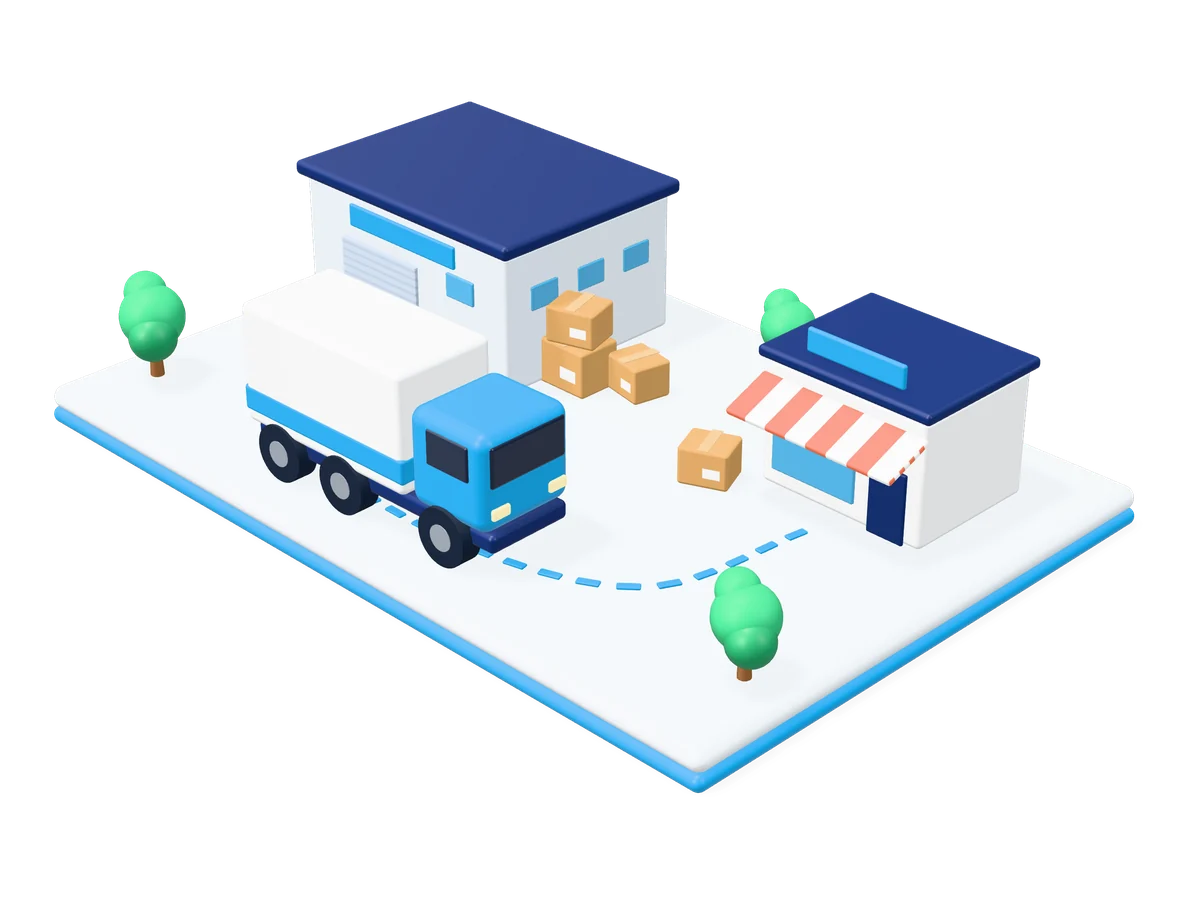
A primary sale is the company selling to a distributor. A secondary sale is the distributor selling to a retailer. A tertiary sale is the retailer selling to the consumer. Your ERP records the first. A DMS records the second, and with retailer apps or loyalty programs it also gives you signals about the third.
The difference matters. Stock pushed into distributors shows up as primary sales even when it isn’t moving off retailer shelves. If you plan schemes and targets on primary numbers alone, you can end up rewarding stock-loading instead of real demand.
Signs your business needs one
- Scheme claims arrive as paper or WhatsApp photos and take weeks to settle.
- You can’t say which retailers bought your new product last month.
- Sales staff report outlet visits that nobody can verify.
- Distributors use different billing software, so their data never matches yours.
- Incentive calculations depend on one person and one spreadsheet.
What to look for
- Adoption by distributors. If billing in the DMS is slower than their current software, distributors won’t use it. Ask to see the distributor screens, not just the company dashboard.
- Scheme flexibility. Your schemes change every season. Your team should be able to set up a new scheme without asking the vendor for code changes.
- An offline field app. Rural beats have patchy networks. Orders should save offline and sync later.
- ERP connection. Product masters, prices and invoices should move between the DMS and your ERP or accounting software automatically.
- Local languages. Distributor staff and salespeople work faster in the language they read best.
How to roll one out
Start with one region and a handful of distributors who are open to change. Fix what doesn’t work for them, measure how much faster claims and billing become, and use those results to bring the rest of the network on board. A rollout that starts with every distributor at once usually stalls.